A tabletop game studio from 0 → 1
Founded and bootstrapped an educational tabletop game company. I designed 5 original games through heavy playtesting and took them worldwide through publishing and licensing deals.
Founder & CEO2024 – Present
Outcomes
- original games launched
- 5
- Since 2024
- playtests per game
- 30–50
- Before launch decisions
- development costs
- −65%
- With AI-powered design workflows
- worldwide publishing + licensing deals
- 2 + 3
- North America, Europe, China, Brazil
- revenue
- 0 → six figures
- Within 2 years
How it fit together
01 · Concept
Original game idea
Educational and fun, both at once
02 · Prototype
AI-assisted design
Claude Code for design, play simulation, and rulebooks
−65% dev cost
03 · Playtest
Validate with players
Refine the design between sessions
30–50 sessions
04 · Decide
Launch decision
Launch through DTC, e-commerce, conventions, or a partner
5 games launched
Context
Brainy Hearty is a bootstrapped company making educational tabletop games. I founded it and lead a 7-person team across product development, operations, marketing, sales, and partnerships.
Challenge
Make educational games people actually love to play, prove each concept before spending on production, and reach players around the world on a bootstrapped budget.
Approach & key decisions
Treat playtesting as user research
Step 1I ran 30–50 playtesting sessions for each game to validate concepts, refine designs, and decide whether to launch.
Use AI in the design workflow
Step 2I built AI-powered workflows with Claude Code for game design, play simulation, and rulebook writing, which cut development costs by 65% and sped up prototyping.
Go to market across several channels
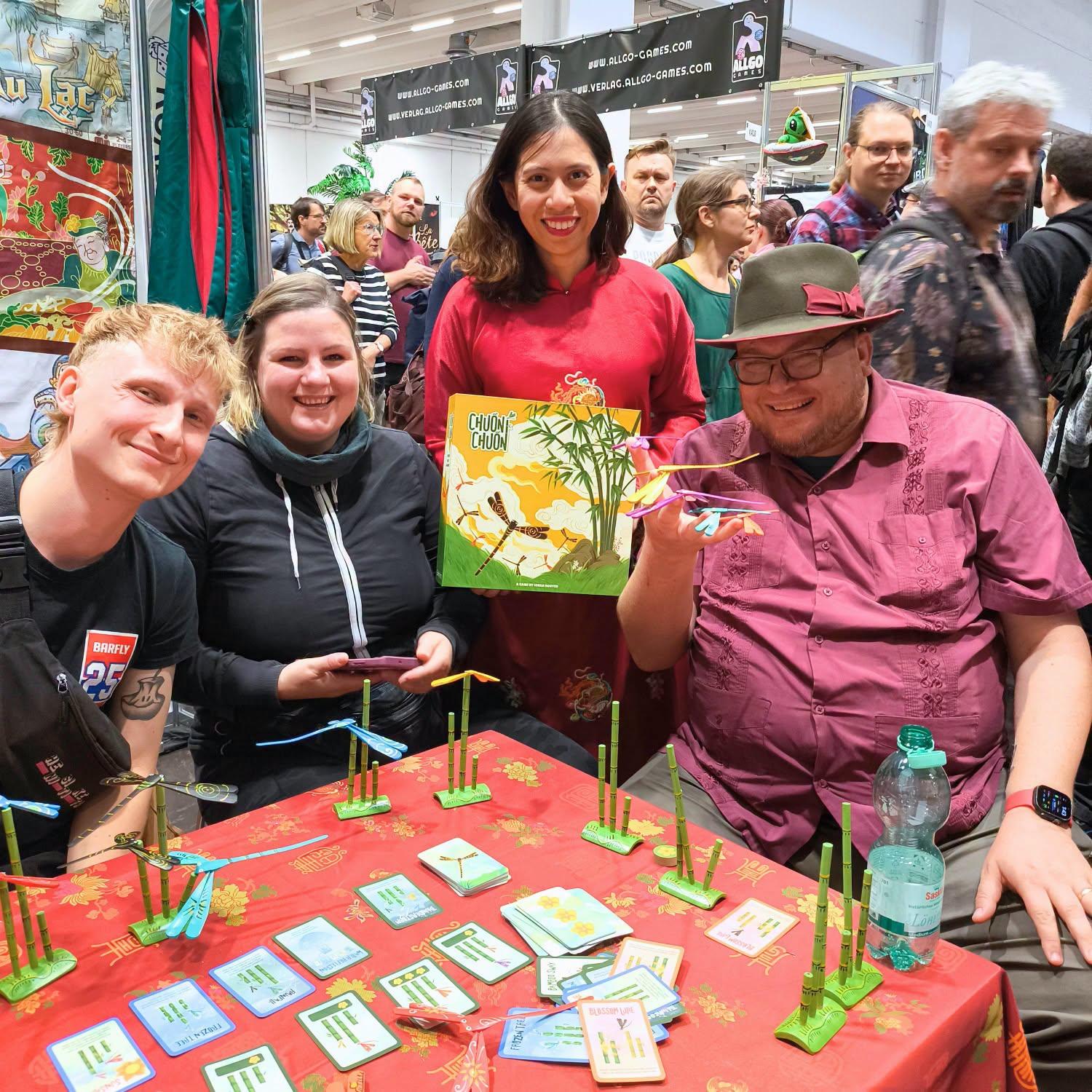
Step 3I combined direct-to-consumer sales, e-commerce, gaming conventions, and publishing partnerships to find customers and reach new markets.
Use licensing to expand
Step 4I negotiated worldwide publishing and licensing agreements to reach new regions without building distribution ourselves.
Execution & collaboration
- Built and lead a 7-person team across product, ops, marketing, sales, and partnerships.
- Ran the product portfolio strategy across 5 original games.